
When you’re handling heavy loads on a construction site, marine project or industrial job, the correct use of rigging equipment is essential for safety and efficiency. Poorly used or inappropriate gear can lead to accidents, costly delays, and damaged equipment.
At Atlas Winch Hire & Hoist Services Ltd, based in Scotland and Essex, we supply high-quality rigging equipment and offer guidance to help teams work safely on every project.
Understanding Your Rigging Equipment
Before you begin any lift or pull, it’s important to understand the components you’ll be using. Rigging equipment covers a wide range of hardware designed to secure, connect and control loads.
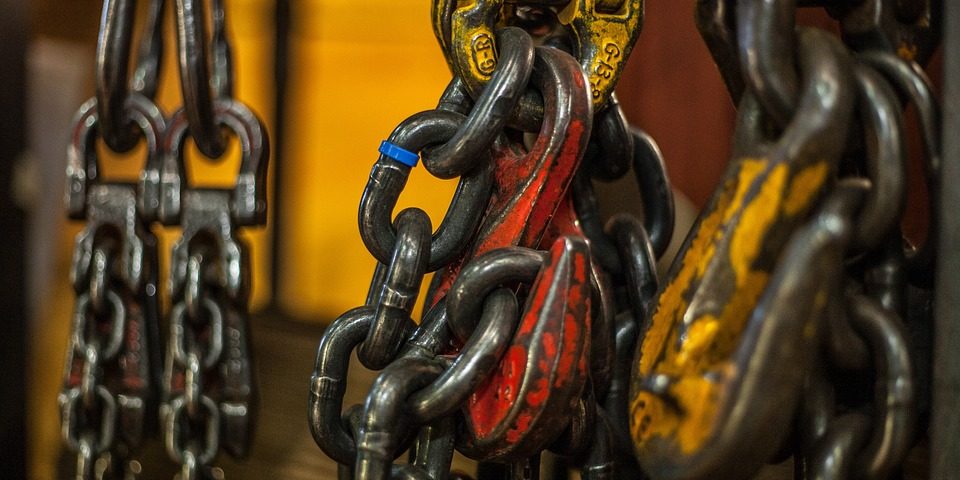
Rigging straps and chain sling assemblies are two common elements that help distribute load safely. Rigging straps are flexible, strong webbing used where you need to cradle or secure a load without scratching or denting it. Chain slings offer durability and resistance to heat and abrasion, making them ideal for heavy-duty lifting where metal-on-metal contact is expected. Choosing between these depends on the load weight, shape and operating environment.
Atlas Winch Hire stocks a broad range of rigging hardware, including snatch blocks, shackles, wire rope and accessories, all designed to integrate with your hoist and winch systems.
Pre‑Use Inspection: Your First Safety Step
A thorough visual and physical check of all rigging equipment should be completed before every use. Look for frays, distortions, corrosion or any sign of damage.
For rigging straps, ensure there are no cuts or worn fibres. With chain sling gear, check that links aren’t stretched or cracked and that hooks operate smoothly without wear. If you spot any hazard, never use the equipment until it’s certified safe.
Correct Attachment and Load Control
Once the equipment passes inspection, the next step is correct attachment and load control. Rigging straps should be positioned so the load is balanced and supported evenly, avoiding sharp edges. Chain sling assemblies must be attached securely to compatible lifting points.
When integrating with hoists or winches, make sure all connecting hardware is rated for the load. Always follow the manufacturer’s load limits; this isn’t just recommended, it’s essential for safe working. Incorrect rigging not only endangers personnel but can also compromise project timelines and equipment longevity.
During the Lift: Stay Safe and Observant
As the load is lifted or pulled, maintain a clear view of the rigging angles and tension points. Angles can affect load distribution; rigging straps can lose strength the steeper the angle becomes, and chain sling tension must be monitored to avoid overloading a single leg of the sling. Workers should stay clear of suspended loads.
Regular stops to check sling orientation and attachment security can prevent issues before they escalate. On larger projects, having a designated rigging supervisor enhances safety and ensures consistent practice.
Confidence in Every Lift
Safe rigging isn’t accidental; it’s the result of knowing your equipment, inspecting it carefully, rigging it correctly and staying alert throughout the operation.
If you need reliable rigging equipment or expert advice tailored to your project, get in touch with Atlas Winch Hire & Hoist Services Ltd today. With decades of experience supporting industries across the UK from our Scotland and Essex depots, we can help you choose the right gear and ensure your team operates safely and efficiently.