
When you’re hiring heavy equipment such as a winch or hoist, careful site preparation can make all the difference between a smooth, efficient installation and costly delays. Whether you’re working on a construction site, a marine project, or an offshore installation, ensuring your site is ready for delivery and setup helps keep your schedule and your safety record on track.
At Atlas Winch & Hoist Services, we’ve supported thousands of equipment hires across the UK and overseas. Here’s our quick guide to preparing your site for winch delivery and setup.
Assess Access and Delivery Points
Before the equipment arrives, check that your access routes can handle the size and weight of delivery vehicles. Consider turning circles, gradients, overhead clearances, and any restrictions on-site. Clear pathways of obstacles and ensure gates or barriers are open and secure.
If the winch needs to be positioned in a confined area, it’s worth discussing this with your hire provider in advance. We can often recommend smaller, modular units or tailor the delivery method to suit your site layout.
Confirm Ground Conditions and Anchoring Points
Winches exert significant loads, especially during pulling operations. Make sure the ground beneath the winch is stable, level, and capable of supporting both the equipment and the forces generated during use. In some cases, additional supports, pads, or foundations may be required.
Anchoring points should be properly rated and located according to your project’s pulling direction and load path. Never underestimate the importance of secure anchoring; it’s essential for both safety and performance.
Ensure Power and Utilities Are Ready
Depending on the type of winch you’ve hired, electric, diesel, or hydraulic, you’ll need to confirm that the right power supply or fuel source is available.
- Electric winches require compatible power connections and cables.
- Hydraulic units need appropriate fluid systems or dedicated power packs.
- Diesel winches should have sufficient fuel supply and ventilation for exhaust gases.
Check with your supplier what connections are required ahead of delivery to avoid last-minute complications.
Allocate a Safe Working Area
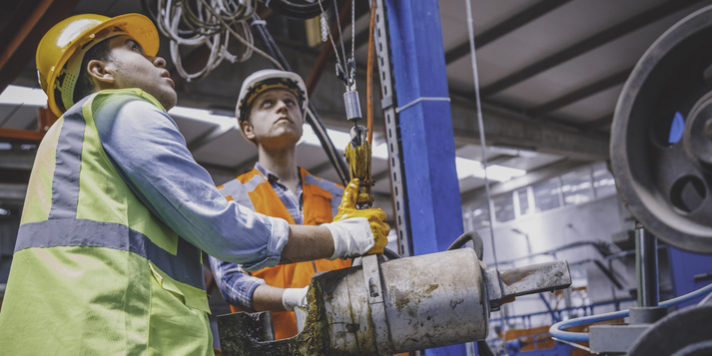
Designate a clear, cordoned-off area around the winch setup to prevent unauthorised access during operation. Keep lifting and pulling zones free of personnel and obstructions, and post visible warning signage.
Safety briefings before installation are highly recommended; ensure everyone on site understands the risks associated with winching operations and the correct communication procedures.
Coordinate with Your Hire Provider
Finally, good communication with your winch hire company is key. Share site plans, access details, load requirements, and timelines as early as possible. This allows the supplier to plan delivery vehicles, lifting aids, and installation support accordingly.
At Atlas Winch & Hoist Services, our experienced team can visit your site to assess conditions, advise on the best setup, and provide full installation and maintenance support.
A well-prepared site saves time, improves safety, and ensures your winching operation runs exactly as planned. With proper planning and the right equipment partner, you can get the job done efficiently and confidently.