

Utility infrastructure projects rely on precision, safety, and efficiency. Whether installing underground power lines, telecommunications cables, or pipeline systems, cable pulling is a critical stage that demands the right equipment. Choosing the correct winch is not simply about power, it directly impacts worker safety, project timelines, and overall performance.
In this guide, we explore how to select the right solution for safe cable pulling and why professional equipment choice plays such an important role in utility work.
Why Safe Cable Pulling Matters
Cable pulling involves moving heavy cables across long distances, often through ducts, trenches, or challenging terrain. Poor equipment selection can lead to cable damage, safety risks, or costly project delays.
Industry data consistently shows that equipment misuse and inadequate load control are among the leading causes of lifting and pulling incidents on construction and utility sites. Using a suitable winch helps ensure:
- Controlled pulling speeds
- Consistent tension management
- Reduced strain on cables and infrastructure
- Improved safety for operators and nearby workers
Key Factors When Choosing a Winch for Utility Work
Not all winches are designed for the same application. Utility projects require careful consideration of several technical factors.
1. Pulling Capacity and Load Requirements
The first step is understanding the load weight and resistance involved. Cable length, friction within ducts, gradients, and environmental conditions all influence required pulling force.
Selecting an underpowered winch can result in stalled operations or excessive strain on the winch cable, increasing the risk of failure.
2. Power Source: When Diesel Winches Are the Best Choice
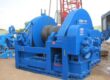
For remote or large-scale projects, diesel winches are often the preferred option. Unlike electric alternatives, they operate independently of external power supplies, making them ideal for:
- Rural utility installations
- Infrastructure upgrades in undeveloped locations
- Long-distance cable pulling operations
- Harsh outdoor environments
Diesel-powered systems also deliver strong, consistent torque, helping maintain steady pulling performance across demanding conditions.
3. Winch Cable Selection and Condition
The winch cable is just as important as the machine itself. Choosing the wrong cable type or using poorly maintained equipment can compromise safety and efficiency.
Important considerations include:
- Cable strength rating and compatibility
- Resistance to abrasion and environmental wear
- Regular inspection for fraying or deformation
- Correct spooling to prevent tangling or uneven loads
Routine inspections significantly reduce the likelihood of downtime or accidents on site.
4. Control and Safety Features
Modern winch systems offer advanced safety mechanisms designed to protect both operators and equipment. Features such as load monitoring, emergency stop controls, and variable speed operation allow teams to maintain precise control throughout the pulling process.
These capabilities are particularly valuable when working around existing utilities or confined underground spaces.
Atlas Winch Hire & Hoist Services
Safe cable pulling depends on more than raw pulling power, it requires the right winch, the correct winch cable, and equipment suited to the working environment. From selecting appropriate pulling capacity to choosing reliable diesel winches for remote sites, informed decisions help protect workers, infrastructure, and project timelines. If you’re looking for expert winch hire services or more information, get in touch with our team today.