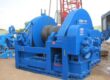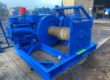

When planning a lifting, pulling, or cable-handling project, one of the first questions many project managers face is whether to hire equipment or invest in purchasing it outright. Winches are essential across industries, from construction and utilities to marine, oil, and gas, but they also represent a significant financial decision. Choosing the right route can save your business both time and money. So, how do you decide between winch hire and purchase? Here’s a breakdown of the key considerations.
Upfront Costs vs Long-Term Investment
Purchasing a winch requires a substantial upfront investment. For companies with regular and predictable demand, this can pay off over time. However, for organisations that only need a winch occasionally, this capital outlay can be difficult to justify, especially when budgets are tight or project timelines fluctuate.
Hiring a winch removes the burden of high initial costs. You pay only for the duration of use, allowing you to allocate funds to other areas of your project. For many businesses working on short-term or one-off tasks, hiring offers the most cost-effective approach.
Maintenance, Servicing, and Compliance
Owning a winch means you’re fully responsible for maintenance, inspections, certifications, and repairs. Between LOLER requirements, ongoing wear and tear, and possible breakdowns, the long-term maintenance costs can quickly add up, not to mention downtime if the equipment fails unexpectedly.
By choosing to hire, all of this responsibility shifts to the supplier. Reputable hire companies supply equipment that is fully serviced, tested, and compliant with industry standards. This not only saves money but also gives you peace of mind that your equipment is safe, reliable, and ready to work the moment it arrives on site.
Flexibility and Access to the Right Equipment
Projects often change as they progress. If you purchase a winch, you may find yourself limited by the specifications of the equipment you own. If a new project requires a different capacity, speed, or power source, you may need to invest in additional machines or make do with something less than ideal.
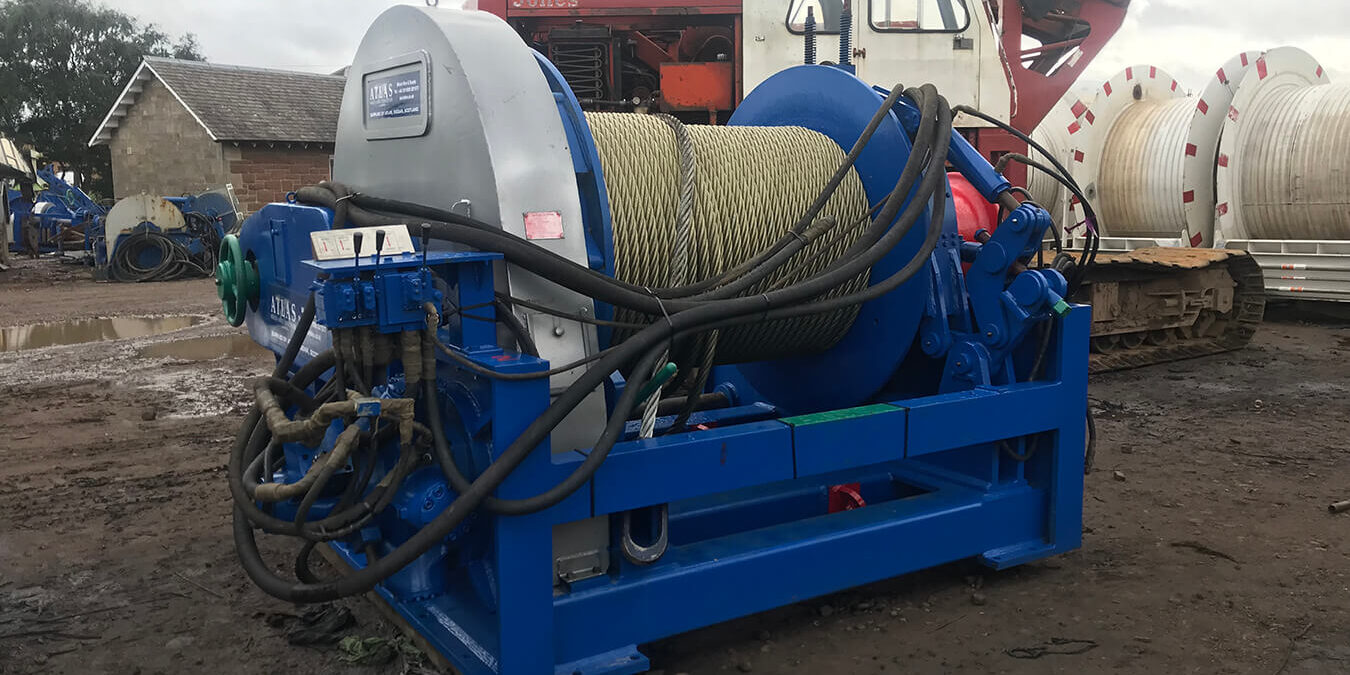
Hiring gives you complete flexibility. You can select the exact winch type and size needed for each job, whether it’s hydraulic , electric, diesel, air-powered, base-mounted, or portable. This ensures maximum efficiency and safety on site without committing to a single machine long-term.
Storage and Transport Costs
Owning a winch also means storing it when not in use. For businesses with limited space, this can be a challenge. Winches can be large, heavy, and require specific handling. Transporting them between sites adds further logistical and financial considerations.
Hiring removes these overheads entirely. The equipment arrives when you need it and is collected when you’re finished, no storage, no maintenance, no hassle.
So, Which Is Best for Your Budget?
If your business uses winches frequently as part of long-term, predictable operations, purchasing may offer the best value over time. However, for most companies, especially those managing varied projects, fluctuating demand, or tight budgets, winch hire provides a far more flexible and cost-effective solution. With reduced upfront costs, no maintenance responsibilities, and access to a full range of equipment, hiring ensures you always have the right winch for the job.